
Home ‐
Protection Coordination Study
Covol Engineering provides protection coordination study services for industrial, commercial and energy sites across the UK. Our engineers evaluate protective devices, circuit breakers, fuses, relays, fault currents and protective device settings to help ensure your electrical system responds correctly during fault conditions.
A protection coordination study checks whether system protection operates in the correct sequence. The aim is to isolate faults as close to the source as practical, reduce equipment damage, protect personnel and maintain supply to unaffected parts of the network.
Contact Covol Engineering today to arrange a protection coordination study.
A protection coordination study analyses how protective devices respond when faults occur within an electrical system. It reviews circuit breakers, fuses, relays and overcurrent protective devices under short circuit, overcurrent and fault scenarios.
The study checks whether the device closest to the fault operates before upstream devices. Proper coordination helps isolate the affected part of the distribution and reduce unnecessary disruption to the wider network.
By reviewing time current characteristic curves, fault currents and protective device settings, engineers can determine whether optimal coordination is achieved and where changes may be required.
Protection coordination can also support wider electrical safety duties under the Electricity at Work Regulations 1989 and supports design, verification and safe operation requirements linked to BS 7671.


Protection coordination plays an essential role in system reliability, safety and performance. If protective devices are not coordinated correctly, a fault can cause wider outages, nuisance tripping, unnecessary equipment damage and avoidable downtime.
For industrial and complex electrical networks, this is particularly important. Power systems often include transformers, cables, circuit breakers, fuses, relays and other devices that must work together under normal and abnormal conditions.
Covol Engineering reviews these elements to determine whether the system protection strategy is effective, practical and suitable for the way the site operates.
Selective coordination means the protective device closest to a fault should operate first, while upstream devices remain in service where possible. This helps limit the impact of faults and maintain power to unaffected areas.
Protective device settings have a direct impact on coordination. If settings are too sensitive, nuisance tripping may occur. If settings are not effective, faults may not be isolated as intended.
Covol Engineering reviews protective device settings, time current curves and system data to determine whether proper coordination is being achieved. Where issues are found, we provide practical recommendations to support safety, reliability and system performance.


Protection coordination studies consider how different protective devices behave across the network. This can include circuit breakers, fuses, relays, overcurrent devices and other elements of the protection system.
Relay coordination is important where settings need to be reviewed against fault currents, upstream protection and downstream equipment. Depending on the application, system protection may also involve reviewing overcurrent protection, differential protection or distance protection as part of the wider coordination strategy.
Our engineers evaluate how these devices interact, how they respond to faults and whether their settings align with the required operation of the electrical system.
Our protection coordination study process combines detailed engineering analysis with a practical understanding of how electrical systems operate in real site conditions. The aim is to assess how protective devices behave, identify any discrimination issues and recommend protection settings that support safe, reliable operation across the electrical distribution system.
The first stage is to gather the information needed to understand the existing electrical installation. This may be provided by the client, obtained from existing drawings and records, or collected during a site survey.
This information can include single line diagrams, equipment details, transformer and switchgear data, protective device information, cable sizes, load data and existing protection settings. Where needed, we also review full load currents, in-rush currents and any known operational issues that may affect the study.
Once the key information has been gathered, we build a model of the client’s electrical distribution system. This allows our engineers to analyse how the system is arranged and how protective devices interact with each other across the network.
Protective devices are modelled within the system, including incomers, feeders and downstream devices where relevant. This gives a clear picture of the electrical distribution arrangement and provides the basis for detailed protection coordination analysis.
We then run a range of scenarios on the model to understand how the system behaves under different operating and fault conditions. This helps identify whether devices are correctly coordinated or whether there are discrimination issues that could lead to unnecessary tripping.
Time Current Characteristic curves are prepared to illustrate how protective devices grade with incomers and other upstream or downstream devices. These curves help show whether the selected settings allow the correct device to operate at the correct time during a fault.
The analysis enables the optimum protection settings and ratings to be determined, taking account of system behaviour, fault levels, load currents and in-rush currents.
The protection coordination study covers both overcurrent and earth fault protection. This ensures the system is assessed against the key fault conditions that protective devices are designed to detect and clear.
By reviewing both types of protection, we can check whether the settings provide suitable protection while maintaining discrimination across the electrical system. The aim is to reduce the risk of avoidable disruption while supporting safe fault clearance.
At the end of the study, we produce a report that presents the findings, analysis and recommendations in a clear format. The report includes the relevant Time Current Characteristic illustrations, highlighting any coordination issues and showing how the recommended settings allow the protection to grade correctly.
A protection settings schedule is also included, setting out the recommended optimum settings for each device. This gives the client the information needed to implement the protection settings on site.
Where required, Covol Engineering can also support the implementation of the recommended settings, helping clients move from study and recommendation through to practical site application.
A coordination study helps identify whether protective devices are operating in the required sequence and whether the electrical system is protected effectively during fault conditions.
Covol Engineering’s protection coordination studies can help assess short circuit current levels, protective device characteristics, time current curves, network selectivity, upstream and downstream operation, nuisance tripping risk, potential equipment damage and opportunities to improve reliability.
This analysis allows our engineers to determine whether the system protection strategy is effective and whether further action is required.
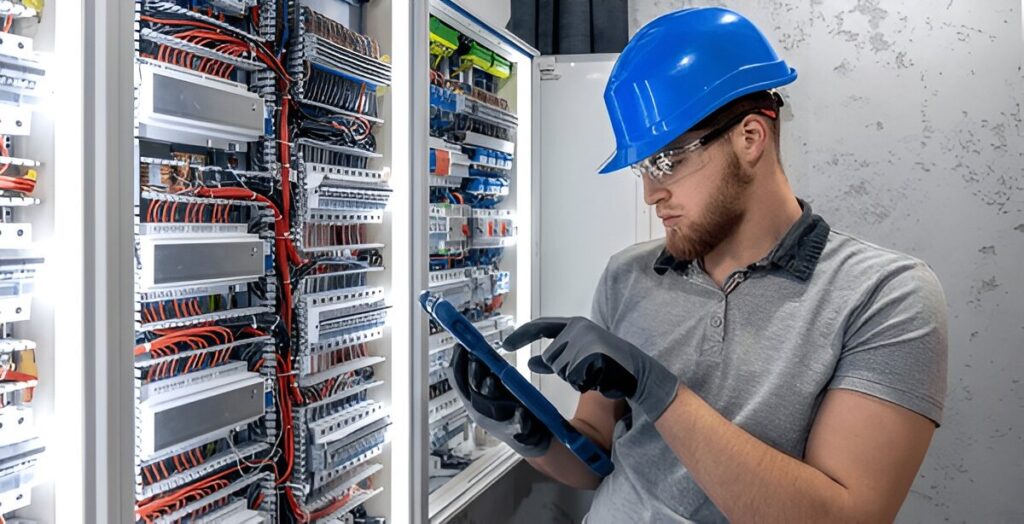

Protection coordination studies can support both new installations and existing power systems. For new systems, a study helps verify that protective devices, settings and system protection arrangements are suitable before operation.
For existing systems, protection coordination analysis can help identify risks that may have developed over time. System changes, new equipment, altered loads, replacement devices or operational changes can all affect protection performance.
Covol Engineering can review the current system, assess available data and determine whether the protection settings remain suitable.
Covol Engineering provides protection coordination studies for industrial, commercial and energy sites across the UK. Our engineers combine analytical rigour with practical engineering judgement, helping clients understand how their electrical protection systems perform in real operating conditions.
We focus on clear reporting and practical recommendations. Whether you need a protection coordination study for a new installation, an existing power system, a complex industrial network or a safety review, Covol Engineering can provide the analysis and guidance required. Learn more about our electrical engineering consultancy services.

Arrange a Protection Coordination Study
If you need to review protective devices, fault currents, relay coordination or system protection, Covol Engineering can help.
Contact Covol Engineering today to arrange a protection coordination study. Our engineers will evaluate your electrical system, assess protective device settings and provide practical recommendations to support safety, reliability and effective operation.
A protection coordination study is an engineering study of how protective devices operate during fault conditions. It reviews circuit breakers, fuses, relays, fault currents and device settings to confirm whether the correct device operates in the correct sequence.
Protection coordination studies are used to improve safety, system reliability and protection performance. They help identify whether protective devices are coordinated correctly, whether nuisance tripping may occur, and whether faults can be isolated without unnecessary disruption.
Selective coordination ensures the protective device closest to a fault operates first. This helps limit the impact of faults, reduce equipment damage, protect personnel and maintain power to unaffected parts of the network.
Yes. A protection coordination study can help identify where settings or device interactions may cause nuisance tripping. By reviewing protective device settings and time current curves, engineers can recommend practical improvements.
Protective device settings should be reviewed when new equipment is installed, existing systems are modified, loads change, nuisance tripping occurs, or a safety review identifies potential protection issues.